By Miguel Mike Medina
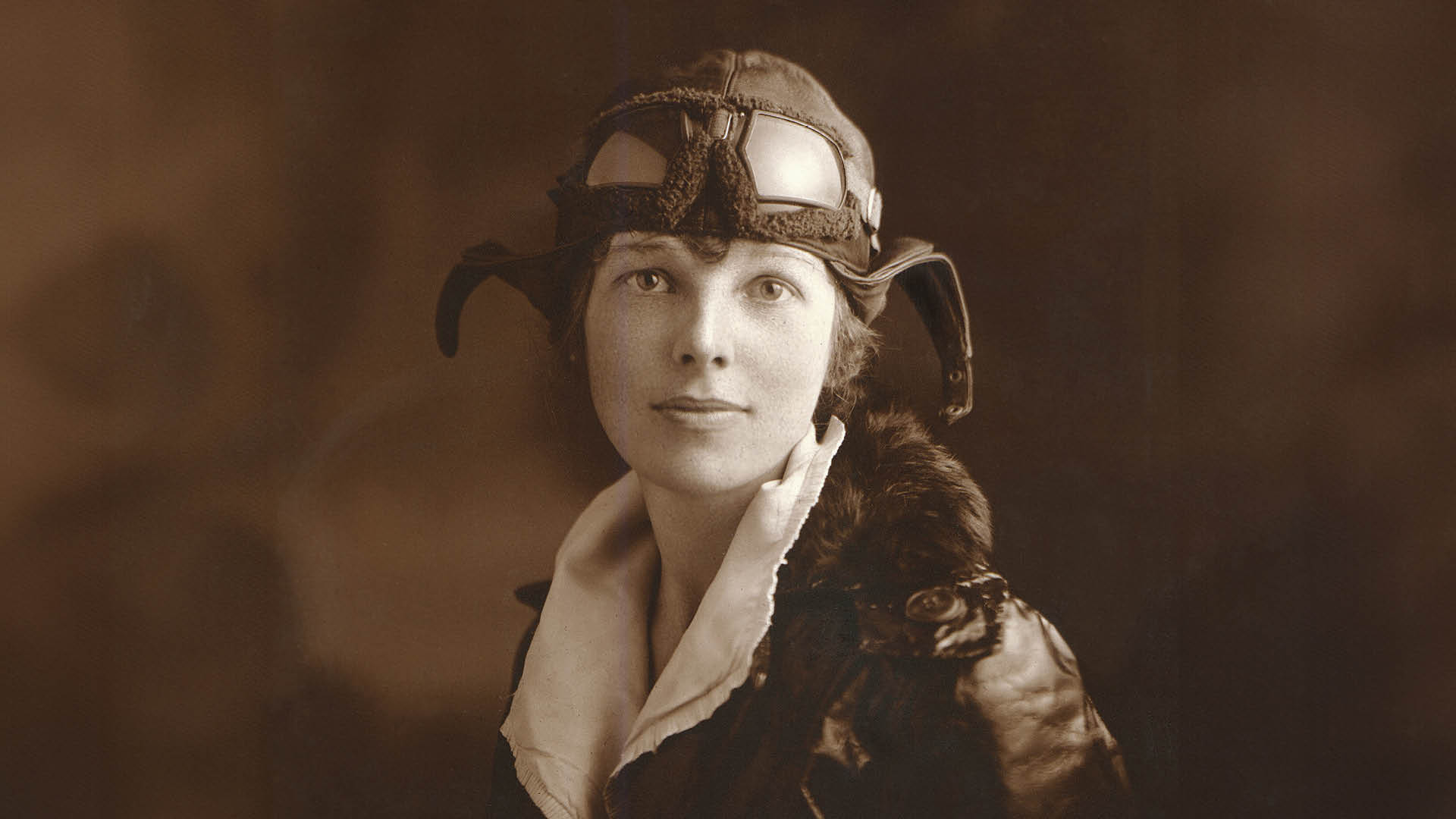
Photo Credit: Purdue University Libraries, Archives and Special Collections, George Palmer Putnam Collection of Amelia Earhart Papers and the Amelia Earhart at Purdue collection.
Amelia Earhart, a trailblazing pilot, was on a plane that vanished over the Pacific Ocean on July 2, 1937.
Earhart was on a journey to complete her quest to go around the world. She came very close to achieving her goal. She tried to land on Howland Island, but the plane never arrived. To this day, many wonder what happened to the plane and how this could have happened to her.
She’s considered an American hero. There are two men, one from Purdue University, Steve Schultz, and the executive director of the Archaeological Legacy Institute, Rick Pettigrew, who believe that their mission to find out and solve the mystery could bring some peace and closure to a long chapter that hasn’t been closed.
“This object is in the lagoon to Nikomoro,” Pettigrew said. “It is a very remote island. There couldn’t be anything there, but there’s something big there. It looks like a big metal thing. We have plenty of pictures of it. It’s a good chance that this is the wreckage of the Electra that was flown there in 1937 by Amelia Earhart.”
On October 7th, 16 crew members of Pettigrew’s team will go on this expedition. This determination to solve a decades-old problem shows that people want to do the right thing. Many folks have strong humanitarian skills, care about others, and want to set a great example.
The team is going to the site. They’ll take a close look and see whether it’s an electric aircraft.
Schultz believed in his heart that Purdue University has a responsibility to her legacy and to seek answers. The university named a building after her, which is titled “Amelia Earhart Terminal, Purdue University.”
“She meant so much to Purdue and had a lasting impact,” Schultz said. “Her pioneering spirit is part of our culture, part of the Boilermaker spirit. She laid the foundation as an advisor to the aeronautical engineering program that paved the way for the likes of Neil Armstrong and other astronauts.”
Earhart broke barriers for women in aviation. She was the first person to fly across the Atlantic and Pacific Oceans. Earhart attended Hyde Park High School, where she excelled in chemistry. She held many jobs before her aviation career took off, such as driving trucks and photography.
But her passion for flying became Plan A. Earhart saved newspapers, envisioned herself flying in a male-dominated industry, and took flying lessons. Earhart read everything related to aviation.
Miguel Mike Medina is the publisher of The MMM Journal. He can be reached at medinamiguelmike@gmail.com and themmmjournal@gmail.com
X: @mmm_sportnfilms, Instagram: @miguel_passionforsports and @themmmjournal, LinkedIn: The MMM Journal, TikTok: @miguelmikemedina